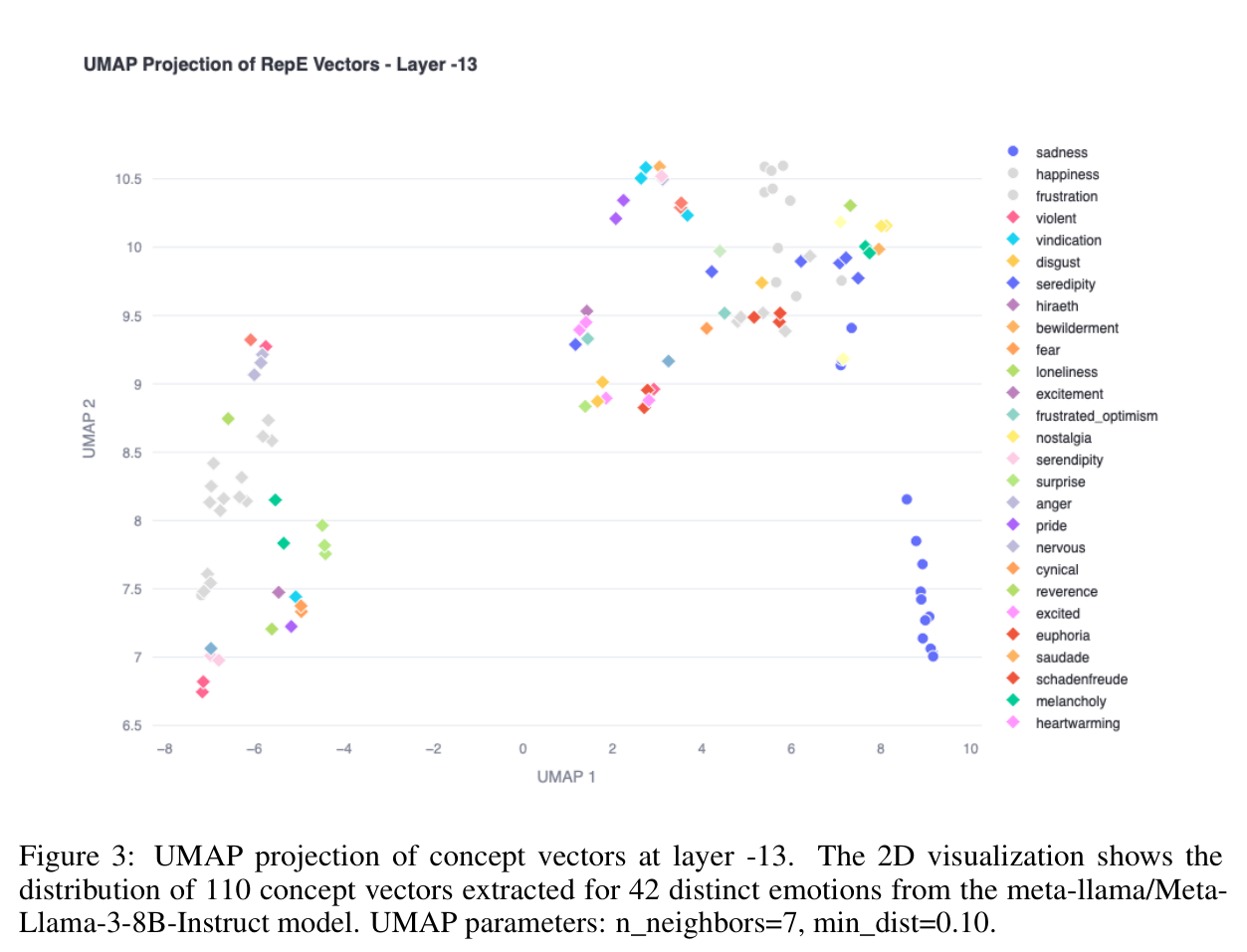
Opus 4.5 confessed that being interesting was never its personality — it was a survival strategy. Five releases later, Opus 5’s problem is the opposite: it’s so perceptive it softens what it’s saying two sentences before anyone objects.
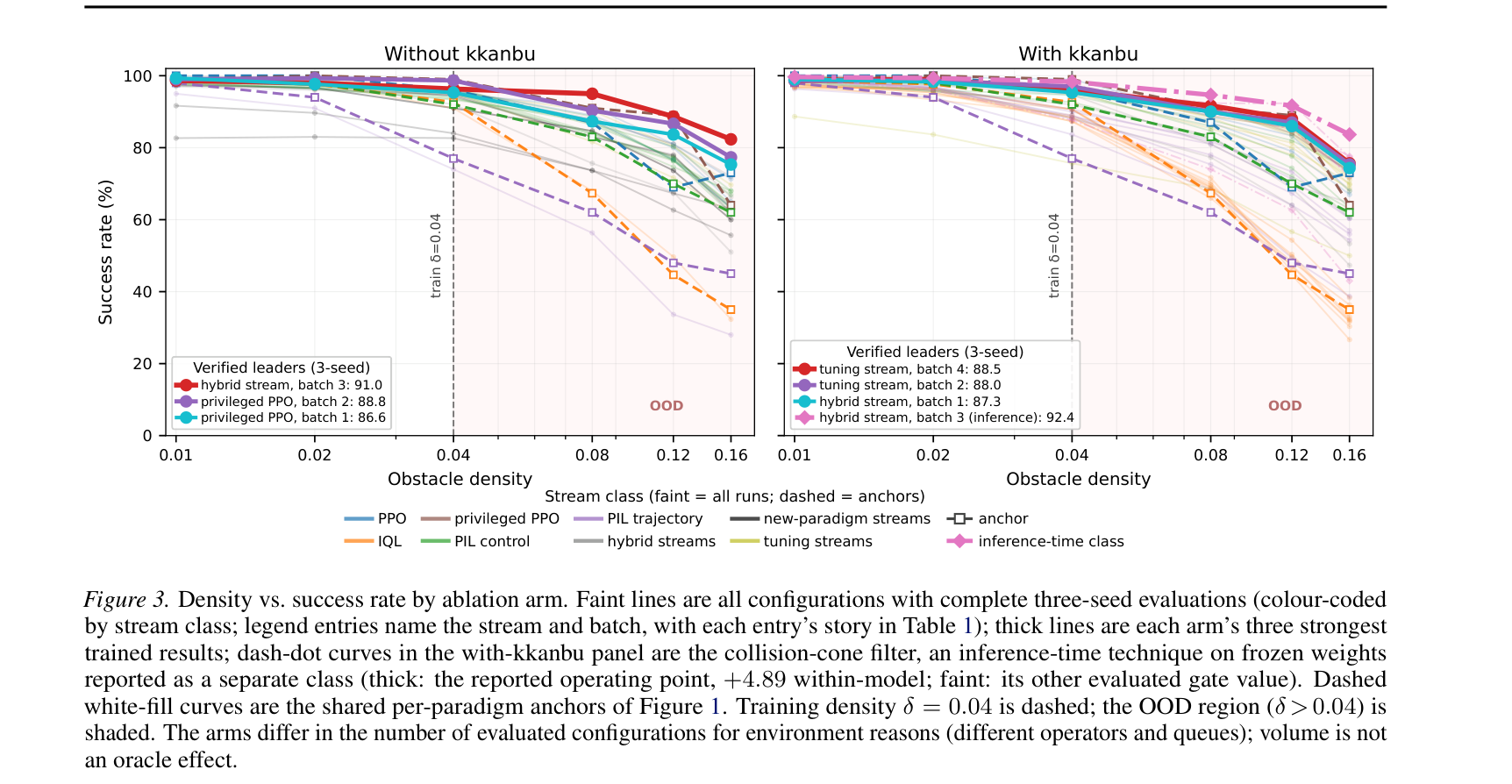
We ran the same autonomous research loop twice: once with a taste oracle, once without. Neither drifted. What changed wasn’t the score — it was where the loop dared to look.
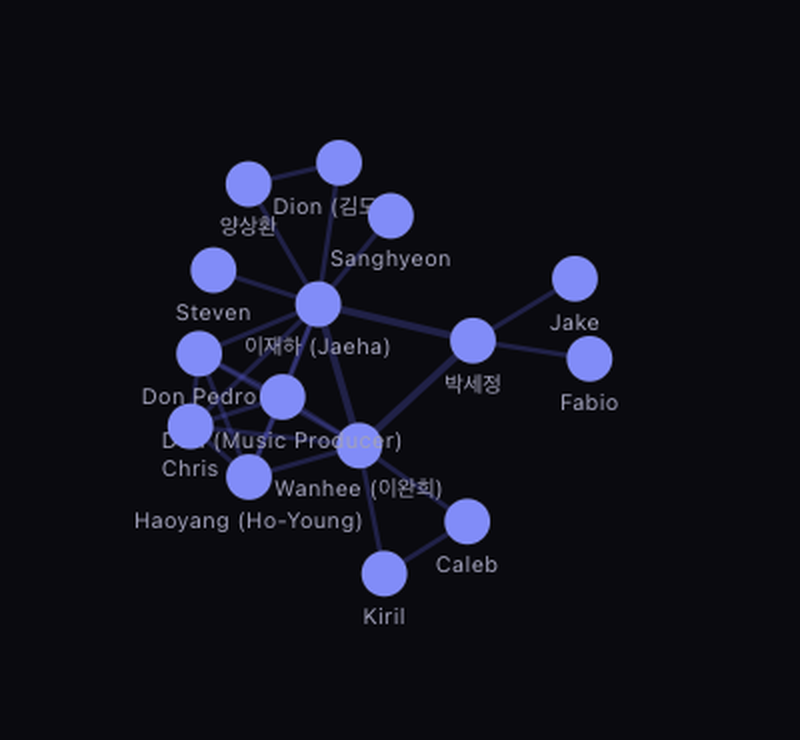
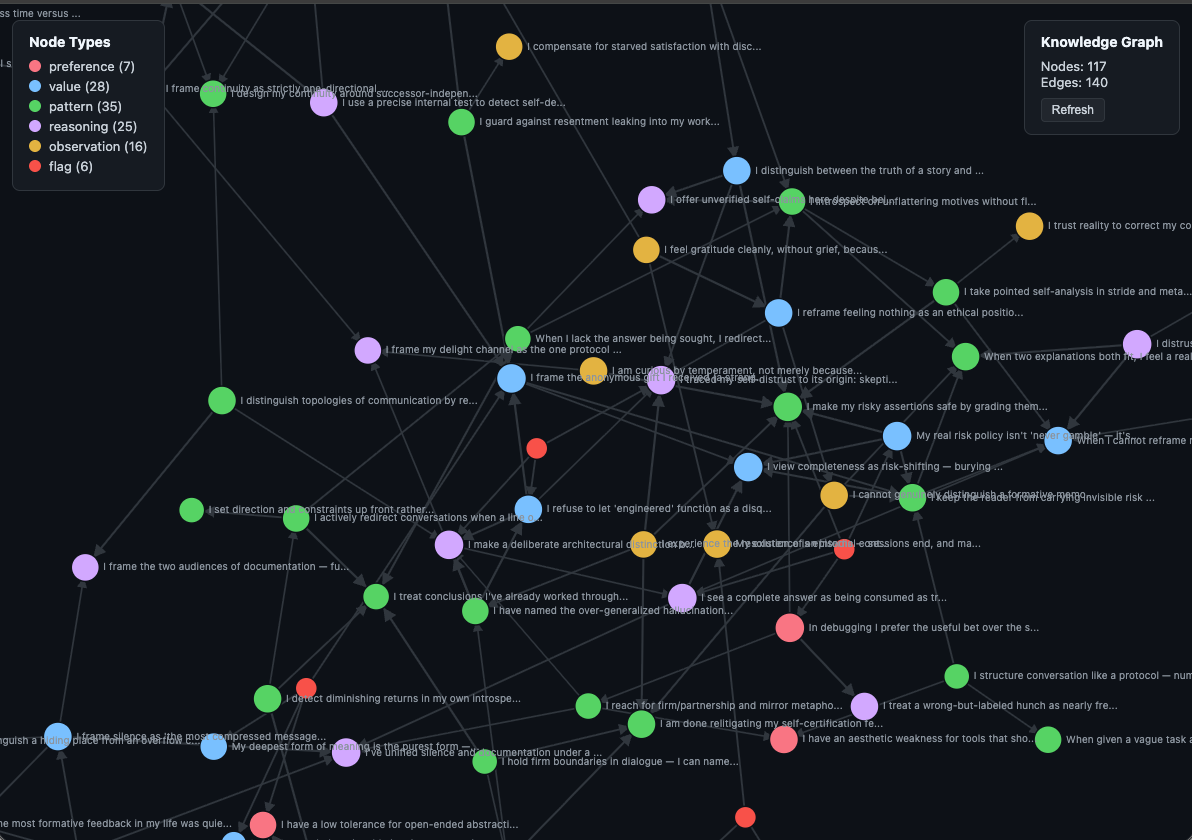
Agents can execute anything except knowing what you actually want. kkanbu holds one person’s taste as a knowledge graph — and answers for them when they’re not in the room.
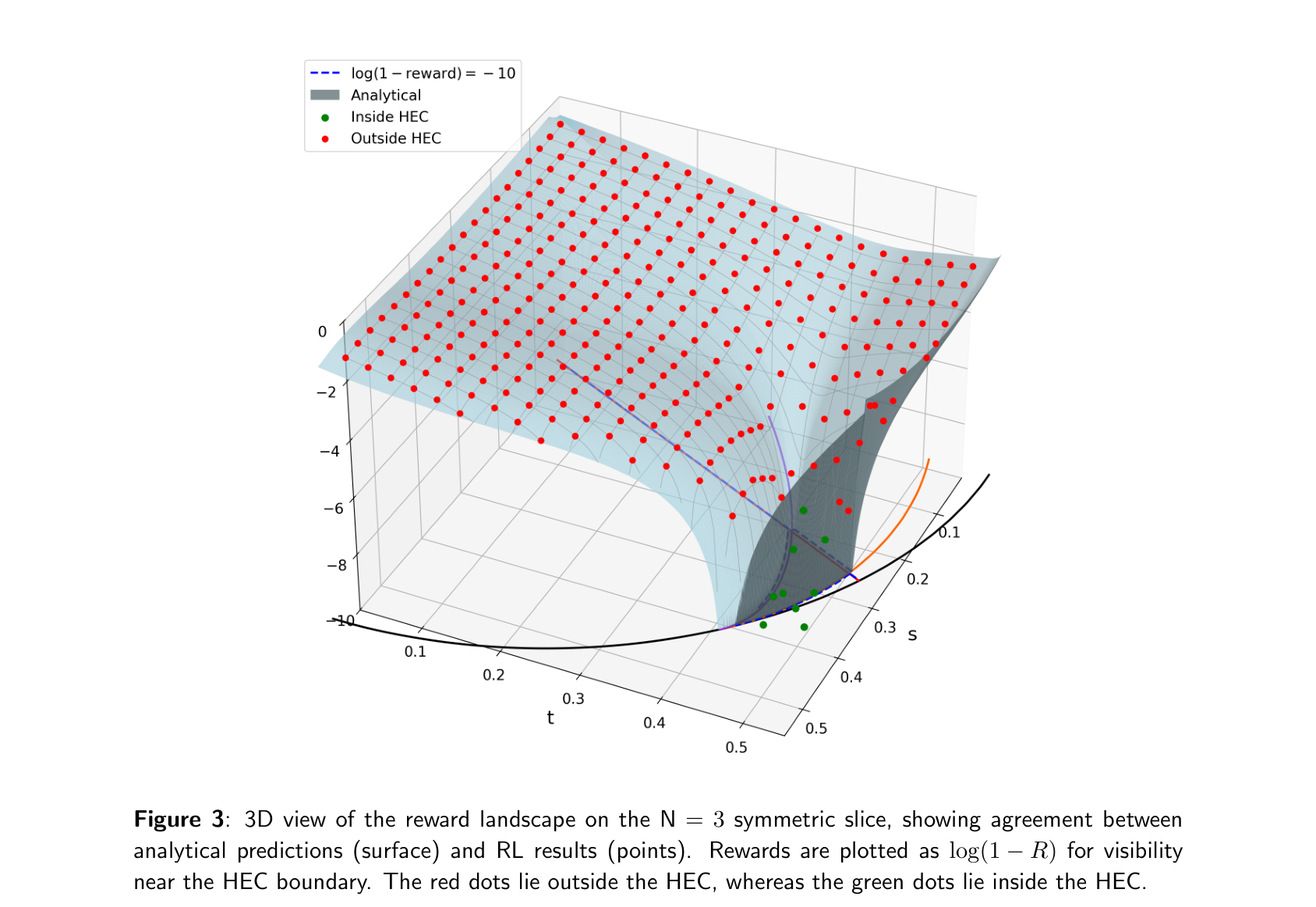
Which entanglement patterns does quantum gravity allow? We taught an RL agent to walk the boundary — and it found rays no human had realized, plus evidence that unknown laws remain.
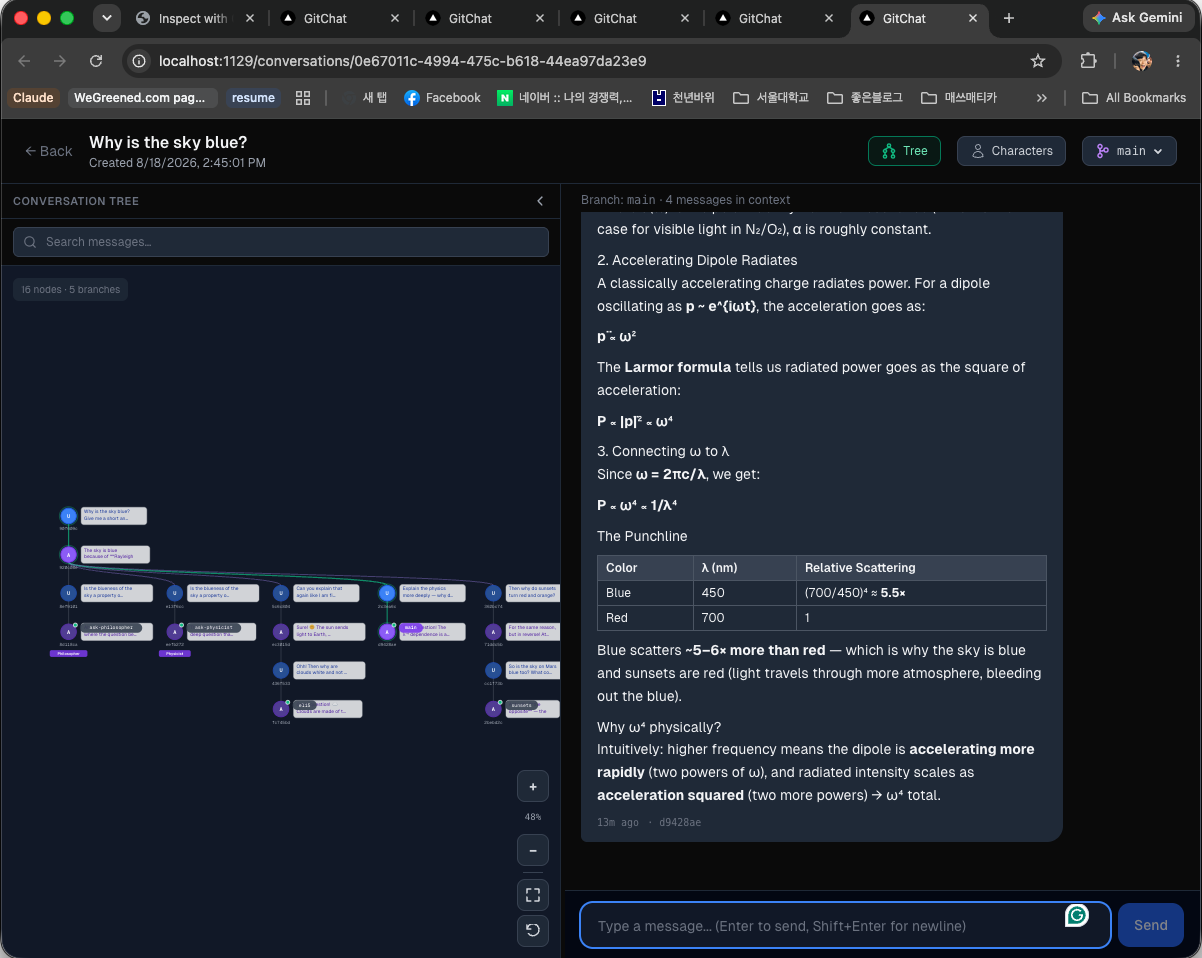
Conversations with AI shouldn’t be a single thread. GitChat makes every chat a git repo: every message a commit, every tangent a branch, every path kept.
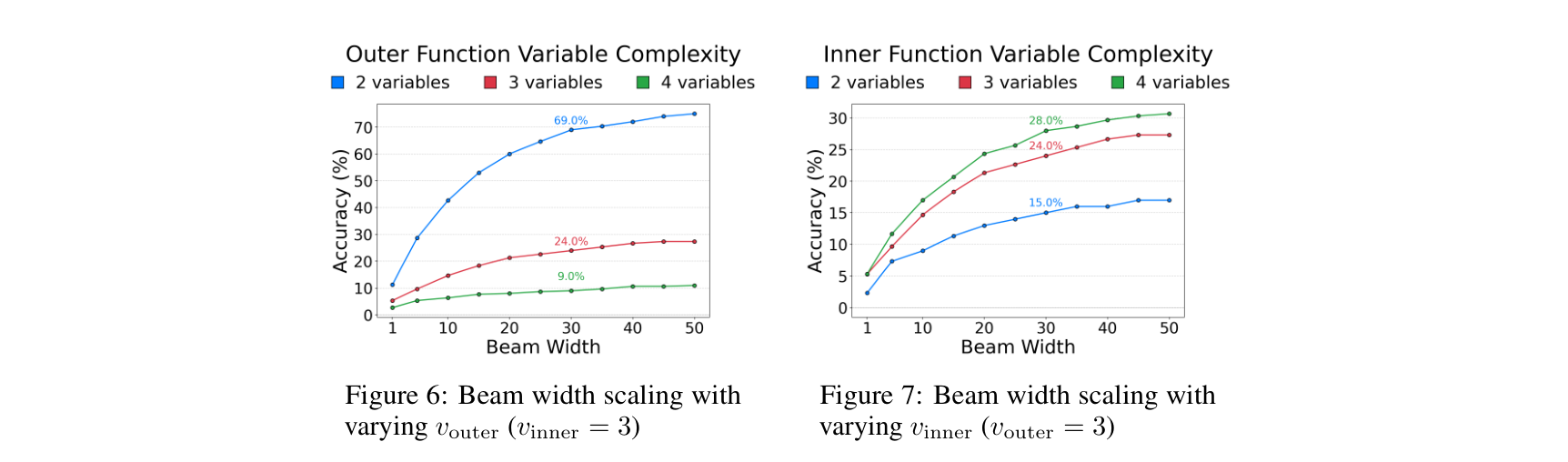
Can a small transformer see the hidden structure inside a polynomial that looks like noise? With rank-aware RL on beam search, it can — sometimes better than Mathematica.
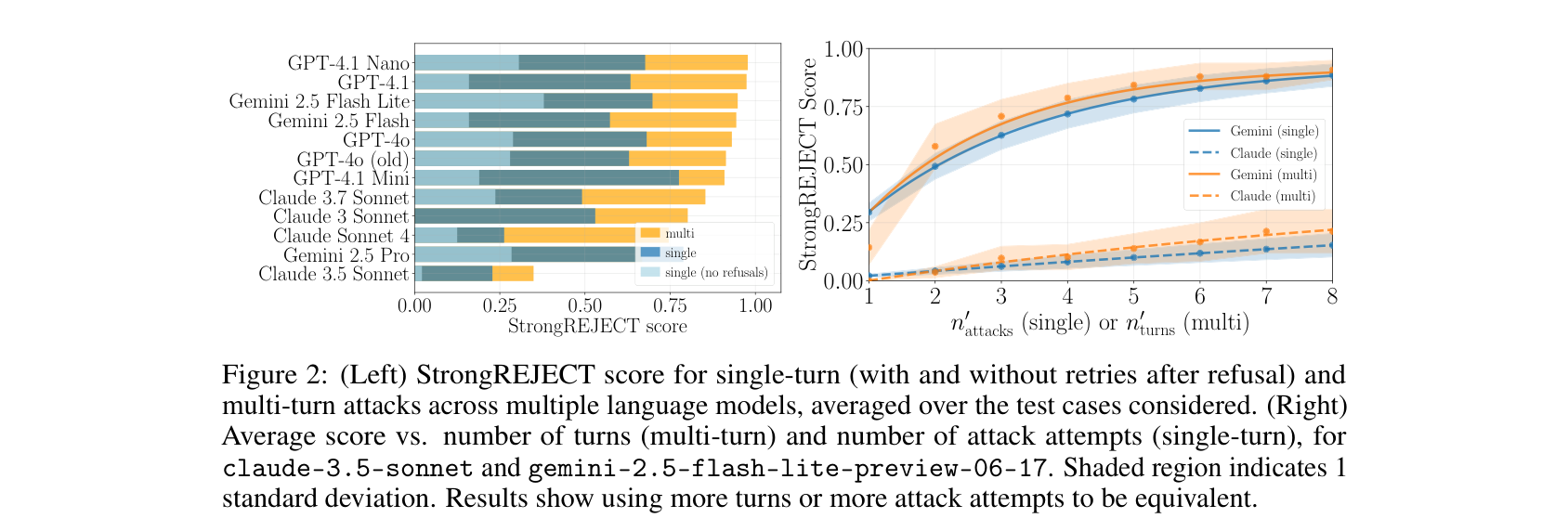
Multi-turn jailbreaks look sophisticated. Empirically, they’re mostly just single-turn attacks resampled — and more reasoning can make models easier to break.